Earlobes: A Comprehensive Guide
Welcome to the ultimate resource for all things earlobes! This page will delve into the fascinating world of these fleshy appendages, covering everything from their anatomy and genetics to their cultural significance and role in personal expression.
Anatomy of the Earlobe
The earlobe, also known as the lobule, is the soft, fleshy part of the ear that hangs below the helix. It is composed primarily of adipose tissue and elastic cartilage, and its size and shape vary greatly among individuals.
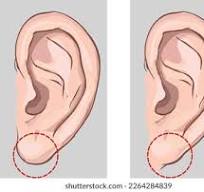
The earlobe is not directly involved in hearing, but it may play a role in protecting the ear canal from debris and foreign objects.
Genetics of Earlobes
The shape of your earlobes is largely determined by your genes. The most common earlobe shapes are attached and free, with attached lobes being dominant and free lobes being recessive.
Other factors that can influence earlobe shape include ethnicity, age, and environmental factors.
Earlobes in Culture
Earlobes have held cultural significance throughout history. In some cultures, they are seen as a symbol of beauty and wealth, while in others, they are associated with wisdom and longevity.
Earlobe piercing is a common practice in many cultures, and it can be seen as a form of self-expression, rebellion, or even religious ritual.
Earlobes and Personal Expression
Earlobes can be a canvas for personal expression. Piercings, earrings, and other forms of body modification can be used to personalize the appearance of the earlobes and reflect individual style.
Additionally, the shape and size of earlobes can contribute to a person's overall appearance and self-image.